The Business of Love
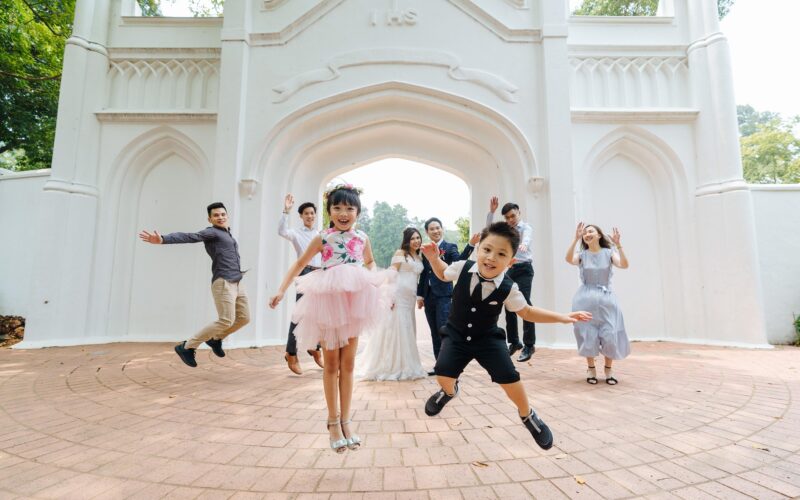
Couples around the world are redefining what it means to celebrate their union, transforming a deeply personal milestone into a thriving economic engine. The global wedding market has experienced unprecedented expansion over the past decade, moving far beyond simple ceremonies to become a multi-billion-pound sector. This growth is driven by a cultural shift towards highly customised, immersive experiences that reflect the unique personalities of the individuals getting married. From bespoke bridal wear to intricate floral architecture, the demand for specialised services has created a lucrative landscape for creative professionals and ambitious entrepreneurs. As overall spending increases, the ripple effect stimulates local economies, boosting hospitality, travel, and retail sectors simultaneously.
The shift towards multi-day celebrations
Modern celebrations have outgrown the traditional single-day format, expanding into weekend-long or even week-long festivities. Welcome dinners, post-wedding brunches, and group excursions are now standard expectations for guest itineraries, particularly for those travelling long distances. This extended timeline requires a much larger roster of vendors, including multiple venues, varied catering teams, and continuous entertainment options. Consequently, wedding planners have evolved from simple logistical coordinators into full-scale event producers, managing complex schedules and substantial budgets. This evolution significantly amplifies the revenue generated per couple, cementing the industry as an absolute powerhouse of modern hospitality.
Social media and the aesthetic revolution
Visual platforms like Instagram and Pinterest have fundamentally altered how couples approach their event design, establishing highly curated aesthetics as the baseline standard. The desire to create shareable, visually stunning moments has led to an explosion in niche vendor categories such as experiential lighting specialists, custom stationery designers, and professional content creators. Couples are allocating significant portions of their budgets to ensure every visual element, from the tablescapes to the dance floor, looks immaculate on camera. This intense focus on aesthetics not only drives up individual event costs but also pushes vendors to continuously innovate to stay relevant in a highly competitive digital marketplace.
The rise of global destination events
International travel and luxury weddings have become inextricably linked, with couples frequently opting to host their celebrations in picturesque foreign locales. Countries like Italy, Greece, and Mexico have seen a massive influx of wedding tourism, prompting local governments and hospitality brands to invest heavily in infrastructure designed specifically for large-scale events. This trend has birthed a truly globalised supply chain, where planners from London might coordinate with florists in Tuscany and musicians from Paris. The destination wedding boom requires sophisticated logistical management, creating lucrative opportunities for international consultants and travel concierges who specialise exclusively in matrimonial tourism.
Eco-conscious choices reshaping the market
A growing awareness of environmental impact is forcing the sector to adapt to the demands of sustainability-focused couples. The traditional model, often criticised for excessive waste, is being challenged by a new wave of eco-friendly suppliers offering zero-waste catering, seasonal locally sourced flowers, and digital invitations. Venues are highlighting their green credentials, while bridal fashion is seeing a massive surge in vintage restorations and sustainable fabric choices. This shift represents a lucrative niche for forward-thinking businesses that can provide luxury experiences without compromising on ethical or environmental standards, proving that green initiatives can indeed drive substantial profitability.
Looking ahead at the matrimonial economy
The financial trajectory of the wedding sector shows no signs of plateauing, as couples continue to prioritise experiential spending over material acquisitions. While economic fluctuations occasionally influence budget allocations, the underlying desire to mark life's biggest milestones with grand celebrations remains incredibly resilient. The industry is poised for further innovation, with virtual reality venue tours and artificial intelligence guest management already beginning to streamline the planning process. For investors and entrepreneurs, the business of matrimony offers a dynamic, creative, and highly profitable frontier that will continue to evolve alongside societal values and technological advancements.


